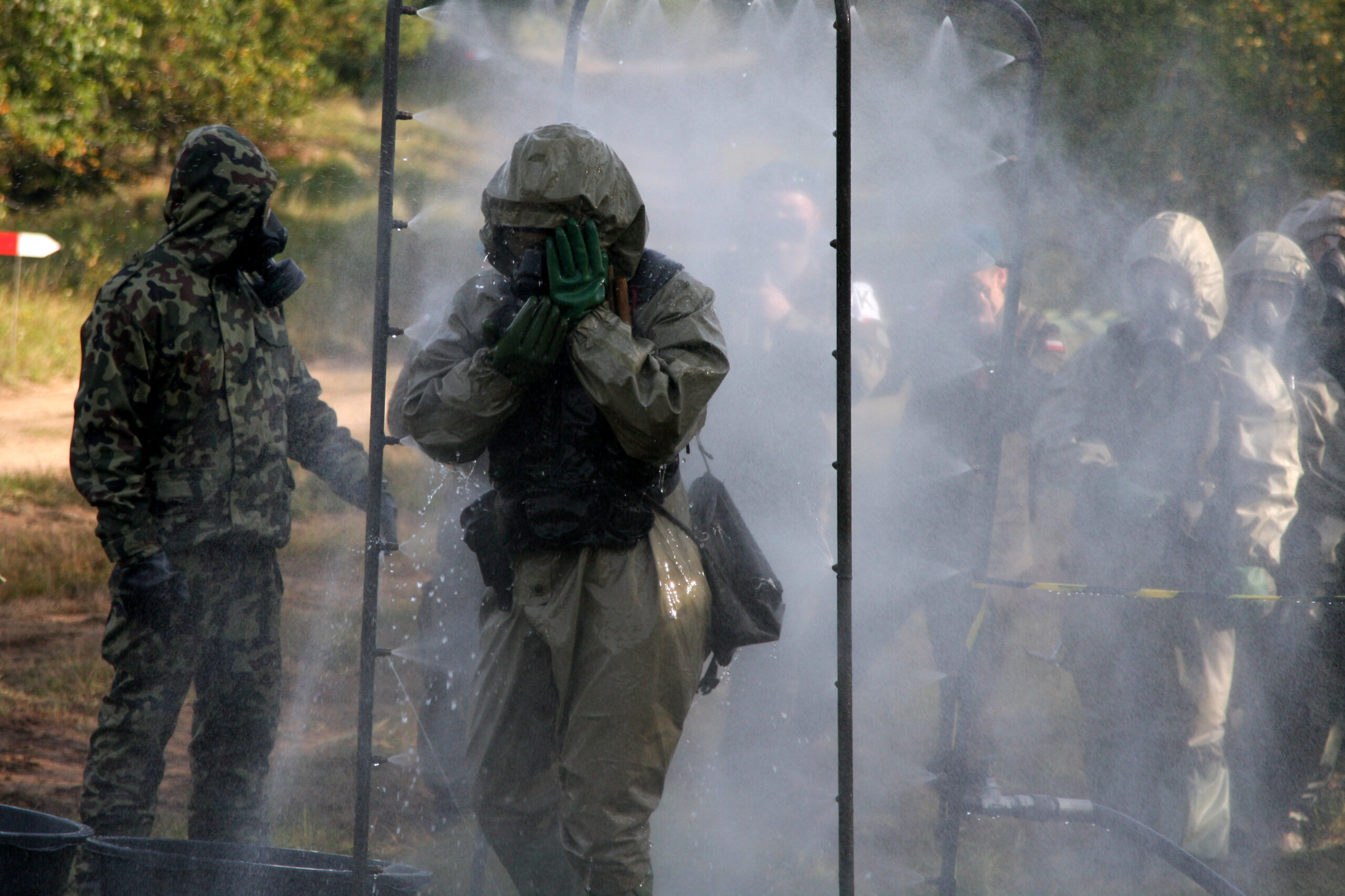
The Hidden Cost of Service: Military Cancer Risks
For many veterans, the honor of service carries a hidden risk: toxic exposures that increase cancer risk decades later. Obtaining full VA compensation requires more than a diagnosis. It requires a legal strategy to ensure the VA follows its regulations (38 C.F.R. Part 4).
This guide covers the legal framework that converts your medical diagnosis into a successful VA claim.
The Legal Foundation: From Science to Presumption
The VA and Department of Defense (DOD) rely on epidemiological research to establish presumptive service connections.
- The Power of Presumption: If your cancer is listed as presumptive under the PACT Act or Agent Orange statutes, the VA legally assumes it is service-connected if you meet the location, date, and duration criteria. This assumption is a huge legal advantage because it eliminates the need to prove the nexus between the exposure and the diagnosis.
- Non-Presumptive Claims: When a cancer is not presumptive, you must provide medical evidence to satisfy the “at least as likely as not” nexus standard.
Major Toxic Exposures: Understanding the Scope
Our advocacy ensures the VA recognizes all relevant exposures and applies the correct presumptive rules.
| Exposure | Presumptive Cancers (Examples) | Strategic Focus |
| Burn Pits & Airborne Hazards | Brain (including Glioblastoma), Gastrointestinal (of any type), Head, Neck, Kidney, Lymphoma, Pancreatic, Respiratory, Melanoma | Verify service location & dates to trigger presumption under the PACT Act. |
| Agent Orange & Herbicides | Prostate, Lung, Larynx, Trachea, Bladder, Multiple Myeloma, Non-Hodgkin’s Lymphoma, Hypertension | Ensure service records document presence in qualifying locations (e.g., Vietnam, Thailand, Korean DMZ) during required dates. |
| Camp Lejeune Water | Kidney, Bladder, Liver, Adult Leukemia, Non-Hodgkin’s Lymphoma | Document service at Marine Corps Base Camp Lejeune or MCAS New River for specific duration and dates. |
| Ionizing Radiation | Bone, Brain, Breast, Colon, Lung, Thyroid | Document exposure during nuclear tests or while serving on nuclear-powered vessels (38 C.F.R. §3.309). |
| Asbestos Exposure (Non-Presumptive) | Mesothelioma, Lung Cancer, Asbestosis Mesothelioma is almost exclusively service-connected. | We build a Direct Service Connection claim proving in-service exposure and secure a strong Nexus for lung cancer/asbestosis.
|
| PFAS (Emerging Chemicals) | Kidney, Testicular, Liver (Not currently fully presumptive) | For non-presumptive claims, secure an expert Medical Nexus Letter with supporting scientific literature. |

Legal Strategy: Rating and Securing Maximum Compensation
- Temporary 100% Rating (Convalescence)
- The Law: Under 38 C.F.R. §4.30 and the diagnostic codes for malignant neoplasms, active service-connected cancers receive a 100% disability rating.
- Duration: This maximum compensation remains in place during active treatment (chemotherapy, radiation, surgery) and continues for six months following the cessation of treatment (the convalescence period).
- Purpose: This critical benefit ensures veterans are fully compensated during the most debilitating phase of the disease.
- Mandatory Re-evaluation and Residual Rating
After the six-month convalescence period, the VA is required to schedule a C&P Exam to determine a permanent rating.
- The Shift: The rating moves from the malignancy itself to the “disability remaining” (the residuals).
- Residuals Matter: Lasting side effects, such as neuropathy from chemotherapy, chronic pain, organ dysfunction (e.g., lung scarring), lymphedema, or severe scarring, dictate the final permanent rating. This rating is based on the residual conditions under the applicable diagnostic codes, as required by 38 C.F.R. §4.115b.
- Strategic Focus: Your permanent compensation is not based on remission, but on recovery. Therefore, the battle shifts from proving service connection to accurately rating the total remaining functional impairment. Our legal team ensures all residuals are thoroughly documented and combined accurately to maximize long-term compensation.
Why Expert Legal Advocacy is Essential
Even with the major legislative advantages of the PACT Act, professional legal guidance is critical to avoid pitfalls. A legal partner can:
- Validate Presumptions: Confirms your specific service history (dates, locations, units) legally triggers the presumptive status for all eligible cancers and illnesses.
- Secure the Nexus: Obtain independent medical opinions for all non-presumptive cancers, building a legally compelling case where the VA is otherwise not required to assist.
- Maximize Residuals: Strategically prepare you for the post-treatment exam and ensure the examiner documents every lasting effect of the cancer and its aggressive treatment for the highest permanent rating.
Veterans face unique cancer risks. Don’t let VA bureaucracy limit the compensation you earned.
Contact Outreach Legal today for a free, no-obligation consultation. Our VA-accredited attorneys provide the legal counsel needed to pursue toxic exposure claims, maximize your temporary and permanent ratings, and ensure you receive the benefits you deserve.